

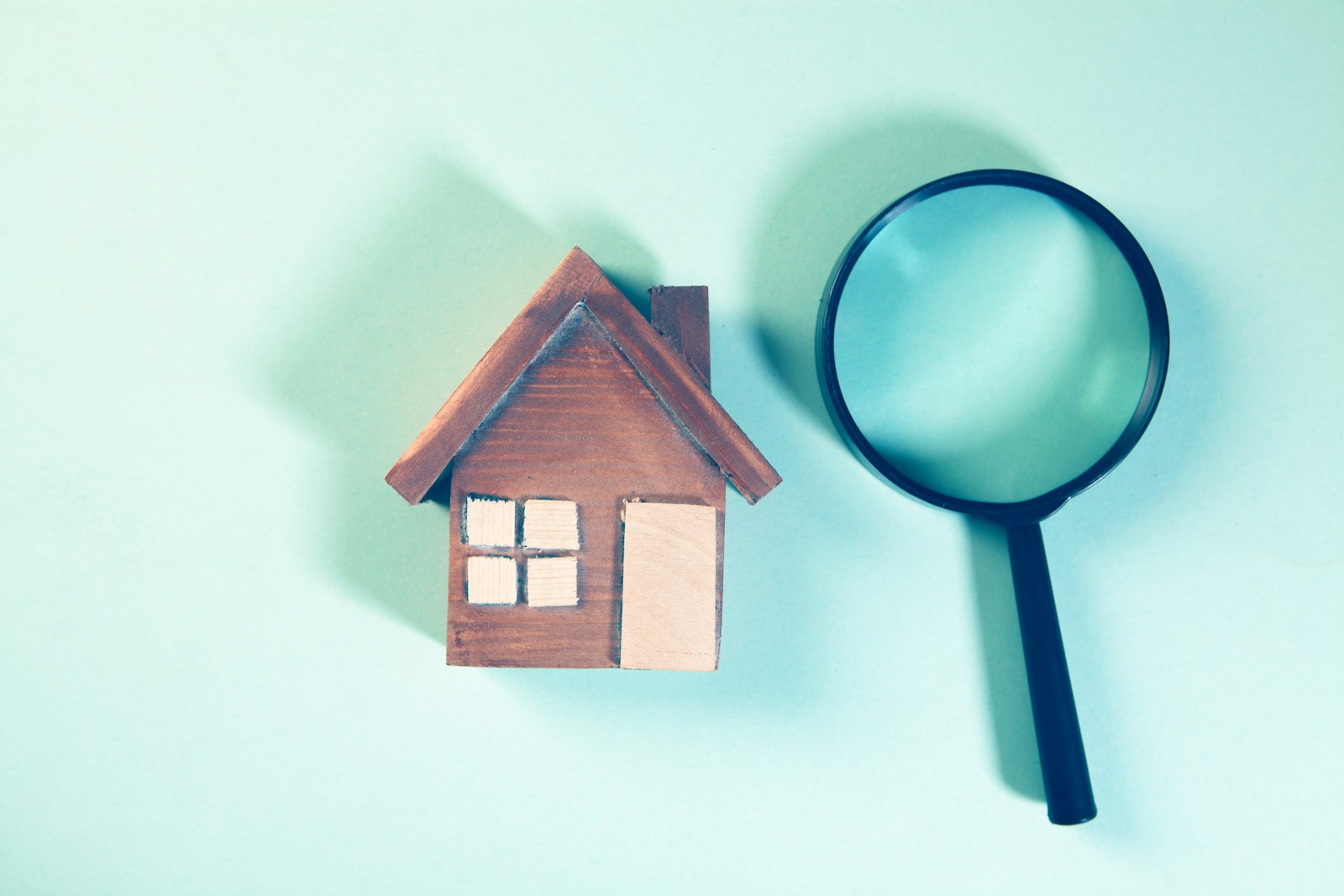
Buying a home is exciting! You picture where the couch will go, imagine hosting family and friends, and start dreaming about making the space your own. But before you get too caught up in choosing paint colours and planning furniture layouts, there’s one important step we encourage every buyer to consider: a professional home inspection.
April is National Home Inspection Month, making it the perfect time to talk about why a home inspection is such a valuable part of the home-buying process.
After all, a home can look beautiful during a showing and still have issues hiding beneath the surface.
Looks Can Be Deceiving
Fresh paint, updated flooring, stylish light fixtures, and a beautifully staged kitchen can make a home feel move-in ready. But what about the things you can't see?
A professional home inspector looks beyond the cosmetics to assess the condition of the home's major components and identify potential concerns.
Depending on the property, this may include:
Roof and exterior: Signs of damage, wear, drainage issues, and potential water intrusion.
Foundation and structure: Visible cracks, signs of movement, or other concerns that may warrant further investigation.
Plumbing: Visible leaks, drainage concerns, and the condition of accessible plumbing components.
Electrical systems: Visible safety concerns and issues with accessible electrical components.
Heating and ventilation: The operation and apparent condition of heating equipment and ventilation systems.
Attic and insulation: Visible moisture concerns, ventilation, insulation, and signs of potential problems.
Windows and doors: Functionality, visible damage, and signs of air or water leakage.
An inspection isn't about finding a perfect home. It's about understanding the home you're considering purchasing, including its strengths, maintenance needs, and potential concerns.
Knowledge Is Power When Negotiating
One of the biggest benefits of a home inspection is the information it provides before you commit to moving forward.
Imagine discovering that the roof is nearing the end of its useful life or that the furnace may need replacing sooner than expected. These are expenses that could affect your budget, even if the home initially seemed affordable.
An inspection can help you understand which concerns may require immediate attention, which items are routine maintenance, and which issues may need further assessment by a qualified specialist.
Depending on the findings and the terms of your purchase contract, you may have an opportunity to discuss repairs, negotiate the price, request additional information, or reconsider the purchase.
The key is understanding your options before you make a decision.
Remember, an inspection doesn't automatically mean the seller must make repairs or agree to a price reduction. Your options depend on your contract, the circumstances, and any applicable deadlines.
What If the Home Is Being Sold As-Is?
An “as-is” sale doesn't mean you should stop asking questions or skip your due diligence.
It means you need to understand what you're purchasing and be comfortable with the potential risks and costs involved. A home inspection may help you identify concerns you hadn't anticipated and decide whether the property still makes sense for you.
Older homes, renovated properties, and even brand-new builds can all benefit from careful evaluation. New doesn't necessarily mean problem-free, and beautiful renovations don't guarantee that everything behind the walls was completed properly.
What a Home Inspection Doesn't Do
It's important to understand that a home inspection is a visual assessment of accessible areas and components at the time of the inspection. It isn't a guarantee that the home is free of defects.
Inspectors may not be able to access every area or identify concealed problems. Some concerns may require further evaluation by specialists, such as electricians, plumbers, roofers, or structural professionals.
A home inspection also isn't the same as an appraisal, which helps assess a property's market value, or a municipal inspection, which may address specific code or permit requirements.
Your inspector should explain the scope of the inspection and any limitations.
Should You Include a Home Inspection Condition?
If you're purchasing a home, talk with your Realtor about including an appropriate home inspection condition in your offer.
This can provide a contractual opportunity to assess the property and determine how you wish to proceed, subject to the wording of the condition and its deadlines.
In a competitive market, buyers sometimes feel pressured to waive conditions to make an offer more attractive. But it's important to understand the risks before giving up that protection.
Every situation is different, and your offer strategy should reflect your comfort level, the property, and your individual circumstances.
Our Advice? Ask Questions Before You Buy.
At Russell Realty with CIR Realty, we believe buying a home should be about more than finding a property you love. It's about helping you make an informed decision that fits your lifestyle, goals, and budget.
We encourage our buyers to ask questions, understand the numbers, and take the time to complete their due diligence. A home inspection is one important piece of that process.
Could an inspection uncover something unexpected? Absolutely. But wouldn't you rather have that information before you get the keys than discover an expensive surprise after moving day?
Your dream home should be a place where you feel confident about your decision, not a purchase you made without knowing what you were getting into.
Thinking about buying a home in Calgary or the surrounding areas? Carl and I would love to help you navigate the process, understand your options, and make informed decisions every step of the way.
Because we're not just here to help you buy a house. We're here to help you feel good about calling it home.
April is National Home Inspection Month — a great reminder that a little due diligence today can help you avoid some big surprises tomorrow!